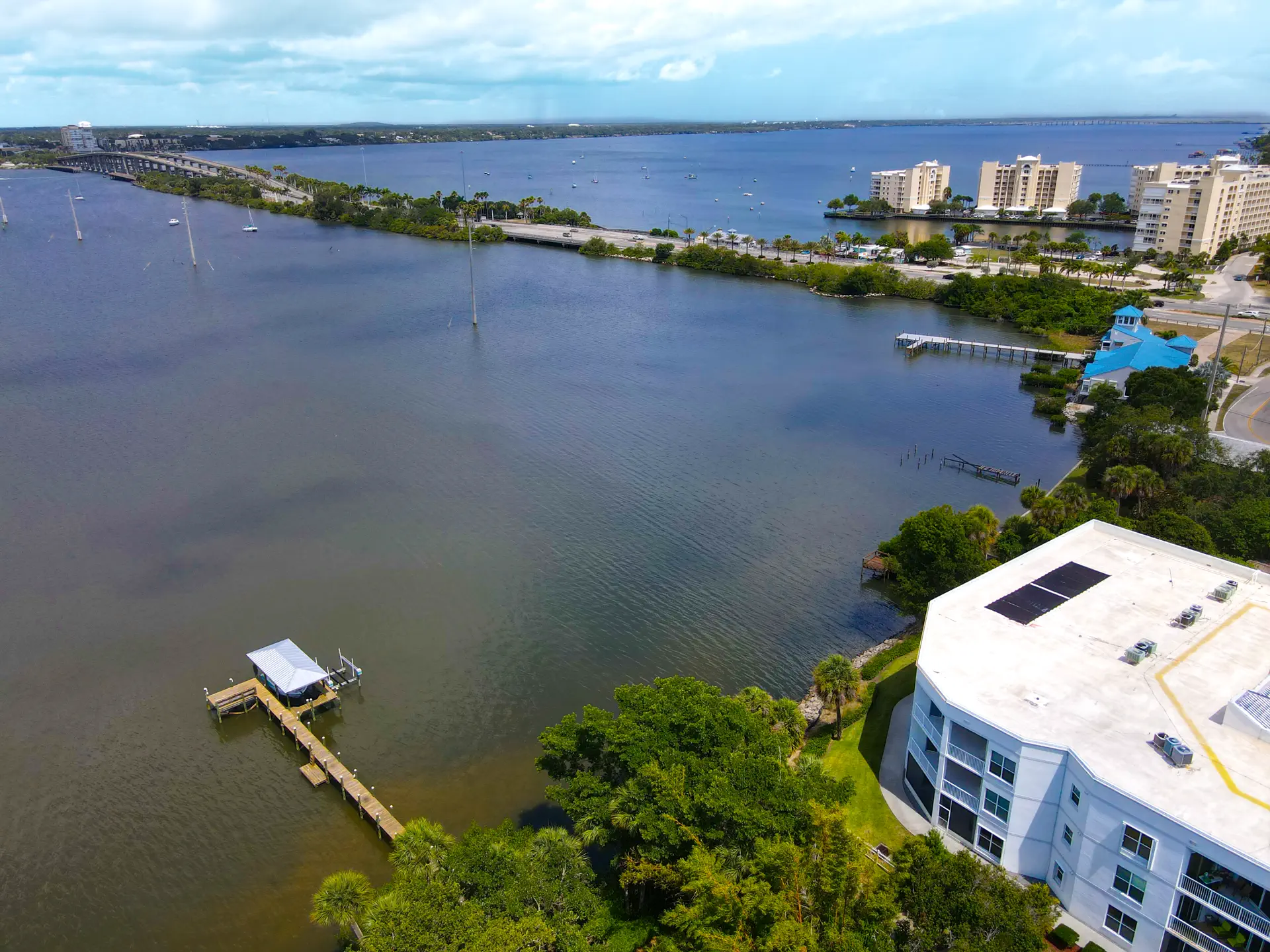
Cocoa Beach, the honest version.
A condo town first, a beach town always, and in 2026, a market where the building you pick matters more than the unit.
Who Cocoa Beach fits.
Cocoa Beach fits beach-lifestyle buyers, second-home and snowbird money, and anyone whose happiness is measured in steps to sand. Right now it especially fits patient condo buyers: prices corrected about 7% and units sit 100-plus days, which means choice and leverage that didn't exist two years ago. Who it doesn't fit: budget-focused first-timers. House medians run north of $500K, insurance is beachside-priced, and I'd rather point you at Titusville or Palm Bay than watch a payment eat you alive.
A town of condos, by the numbers.
I keep the full Brevard property roll on hand, every parcel, not a listing-site sample. Cocoa Beach's shape is unlike anywhere else in the county.
Source: Brevard County Property Appraiser public roll, mid-2026. Appraiser market value is the county's tax-purpose estimate, not a sale price; the two usually differ.
Four Cocoa Beach realities to price in.
The building is the purchase
With a 1979 median build year, most Cocoa Beach condo buildings fall under Florida's post-Surfside structural laws: milestone inspections and reserve studies, with a combined deadline of December 31, 2026 for many. Before any offer I pull six documents: milestone status, the SIRS, twelve months of board minutes, the reserve balance, the master insurance policy, and the building's secondary-market financing status. A gorgeous unit in a building with a looming special assessment is not a deal, it's a trap with an ocean view.
Financing surprises kill condo deals here
Some buildings can't get conventional financing because of reserve or insurance findings, which quietly turns them cash-only and thins the resale pool you'd someday sell into. Your lender checks this per building, so we check it first, not at day 25 of a 30-day contract.
Insurance and flood, eyes open
Budget roughly double mainland insurance, then check the actual flood zone before assuming the worst: a surprising share of beachside addresses sit in Zone X while some low streets carry AE pricing. Look up the address, ask for the elevation certificate on houses, and remember new flood policies carry a 30-day wait, time it with your closing.
Rental rules vary building by building
Thinking "beach condo plus rental income"? Minimum lease periods differ by building and the city enforces its short-term rules. The building documents answer this in black and white, never trust a listing's "great rental potential" line without them. Taxes follow the county rule too: the seller's capped bill resets at your closing, run the reset, and non-homesteaded second homes ride a different cap entirely.
Specific communities, with the receipts.
This page covers the market. These go one level down, into individual communities: every home counted off the county roll, lot sizes measured, and the fee documents read and cited where a public record exists. Where I could not source something, the page says so instead of guessing.
Cocoa Isles
A 1961-median canal neighborhood on the Banana River side of Cocoa Beach, built the same year as Alan Shepard's flight, with a same-named condo association across town that is not this HOA.
Read the Cocoa Isles guideConvair Cove
A 1957-median canal community in Cocoa Beach, one of the least liquid markets I track, with a name that may or may not honor the aerospace contractor whose missile launched from Cape Canaveral the same year.
Read the Convair Cove guideRiver Isles
A 1962-median canal-front community on Cocoa Beach's Banana River side, all single-family, with a name that gets conflated with its much larger neighbor and confused with two entirely unrelated communities elsewhere in Florida.
Read the River Isles guideSnug Harbor Estates
A 1961-median waterfront enclave on Edwards Bay in Cocoa Beach, with a million-dollar median sale and a name shared with an unrelated community in Micco, twenty minutes south.
Read the Snug Harbor Estates guideVenetian Way
A 1966-median Cocoa Beach canal community fronting the Banana River, built out during the county's Space Age population boom, with no HOA I could confirm and a family of similarly named "Venetian" communities elsewhere in Florida to keep straight.
Read the Venetian Way guideQuestions people actually ask.
How much does a condo in Cocoa Beach cost in 2026?
Mid-2026 condo medians run roughly $330,000 to $375,000 after a correction of about 7%, with units sitting 100-plus days, a buyer-leverage market. Single-family homes are the premium product with sale medians north of $500,000.
What is the milestone inspection issue with Cocoa Beach condos?
The median Cocoa Beach condo building dates to 1979, which puts most buildings under Florida's post-Surfside structural laws: milestone inspections and structural integrity reserve studies, with combined deadlines of December 31, 2026 for many buildings. Before offering, review the milestone status, SIRS, 12 months of board minutes, reserve balance, master insurance policy, and the building's financing eligibility.
How expensive is insurance in Cocoa Beach?
Beachside homeowners insurance averages roughly double Brevard's mainland rates, around $9,300 per year versus about $4,300 mainland (2026 averages). Flood zones vary street by street, and a surprising share of beachside addresses sit in Zone X, so check the specific address.
Can I rent out a Cocoa Beach condo?
It depends on the building: minimum lease periods differ building by building and the city enforces short-term rental rules. The condo documents state the rules in black and white; never rely on a listing's rental-potential claim without reading them.
Found a building you love? No pressure.
Send me the building name before you offer. I'll pull the six documents and tell you what they actually say.